
BREAKING: Branding is dead
See you at the funeral.

Look, I know that my Substack can be a little dark at times…
….. a little gloomy.
So today I want to keep things light, fun…. perky.
So if at any moment this article veers towards the gloom, I want you to stop me.
Don’t worry if I’m in the middle of something, I genuinely want you to flag me down.
Ok?
Ok.
* clears throat *
By the time I turned 30, the world had fallen apart.
In just three decades of life, I watched the collapse of the financial system during the ‘08 crisis, the complete failure of foreign policy with the Iraq war, the grotesque cover-up of the Catholic Church scanda—
….. hey sorry, I noticed you’re waving your hands at me…. what’s up?
Gloomy? This feels gloomy?
Oh wow, alright…. no, thank you for telling me.
Let me take another stab at this….
* clears throat again *
…..
What do my middle school resource officer, my high school English teacher, my local priest, and Jeffrey Epstein have in common?
…..
They’re all pedophi-
... what's up?
It's a joke!
Joke's are light (even if they are true)....
FINE.
Here’s why I think branding is dead.
Public trust has collapsed
Like it or not, public trust in anything has completely crumbled in just the last two decades.
Epstein, Diddy, #metoo, Nickelodeon, the opioid crisis….. it feels like every 6 months we are faced with a new scandal that upends everything we thought we understood about the world.
As a result, society has become incredible skeptical towards controlled messaging.
People want to see, taste, touch, and verify the truth themselves, which makes traditional branding, which is based entirely on controlled messaging, nearly impossible.
For example, in the old days, if you wanted to brand a food product as a healthy alternative, you slap the word “simply” (written in a gentle font) onto a bag of poison, and chumps like me would suddenly say:
“WHY DO THESE TASTE SO GOOD FOR HEALTH FOOD!?”
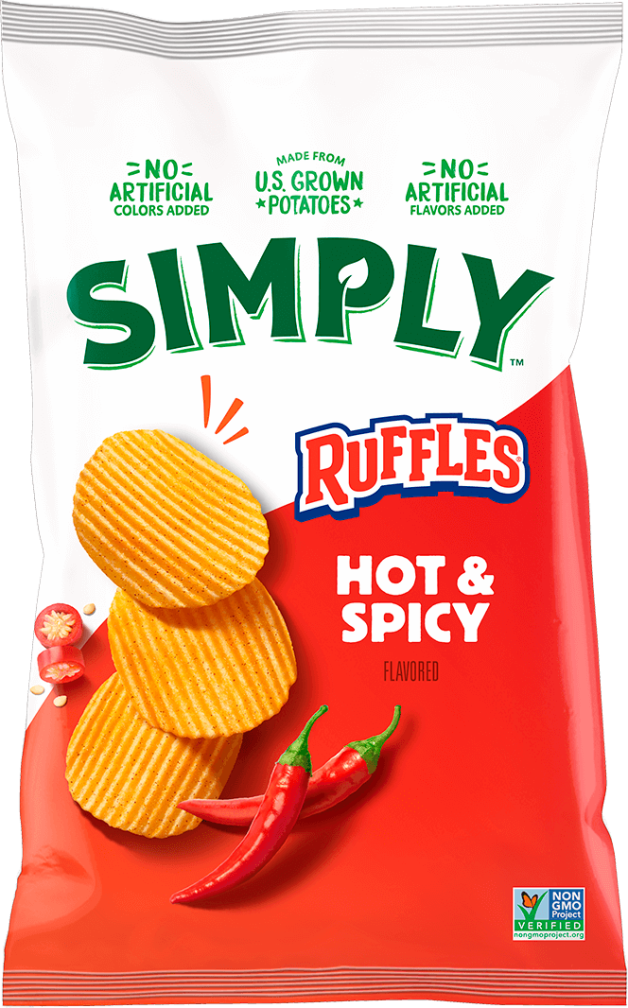
But nowadays, consumers are smarter, savvy-er, more jaded, and depressed.
They don’t read the word “simply” and automatically trust it.
They flip the bag over, read the ingredients, spot the ~ highly processed corn maltodextrin~ , and moveeeeee on.
I actually look for words like “simply”, “natural”, and “light” as good indicators that the opposite is actually true.
Because that’s just the fun, light-hearted kind of guy that I am.
Branding is free
Back in the day 👴….. you used to “launch” a brand.
And whether it was a product, a service, or a music career, there was a pretty significant barrier to entry to launch.
You needed to actually manufacture marketing materials, pay for advertising space, hire graphic designers, etc, which all costed quite a bit of time and money.
So when a consumer saw a new brand, there was (at least) some trust that the brand was well-thought-out and backed by real, credible “business-people”.
But with the emergence of social media and AI, the barrier to entry to launch a brand is essential $0.
Don’t believe me? Check out the cereal brand I just launched:
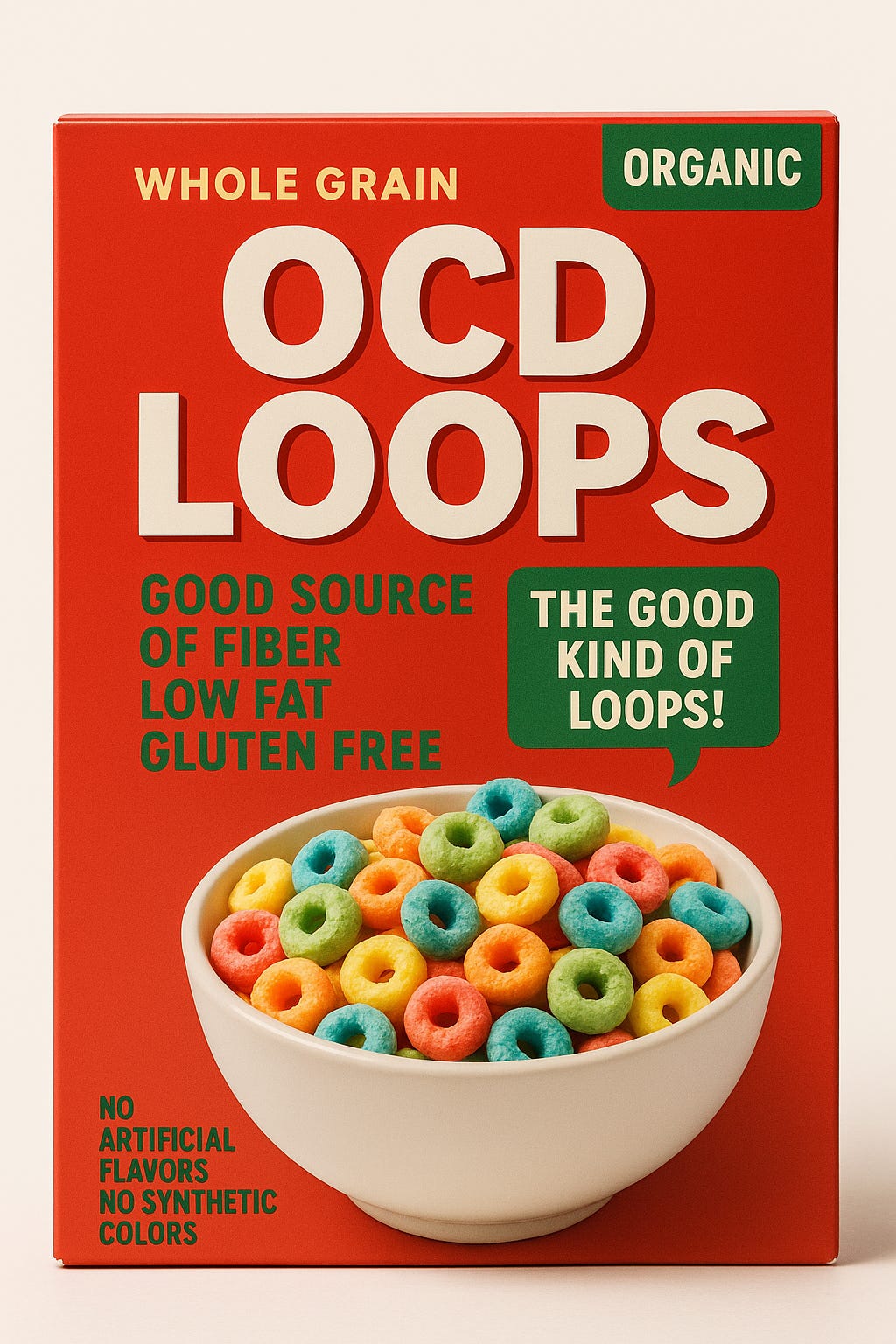
We, unlike our competitors, use the whole grain.
But see what I mean?
Anyone can launch a brand, which means no one really can.
So if a brand no longer implies credibility…. what does?
People buy personalities, not products
So if I can launch a cereal brand with a simply ChatGPT prompt, then how on earth is someone supposed to know what’s real and what’s fake?
Well, consumers have started examining the people behind the products… and if they trust the people, they, by extension, trust the brand.
Some of the biggest “brands” in the world have little to do with the actual branding, and have everything to do with the personalties behind the brand.
For example, Kylie Cosmetics is the $1.2 billion makeup brand owned by Kylie Jenner. Her credibility and cache as a beauty influencer is the driving force behind the brand’s success, so much so that the name of the brand is literally just her name.
Similarly, the $4 billion fashion brand Skims became a household name due to the name value and pedigree of their co-founders (Kim Kardashian, Emma + Jens Grede).
Some more examples include Elon Musk (Tesla), Jessica Alba (The Honest Company)… and of course:
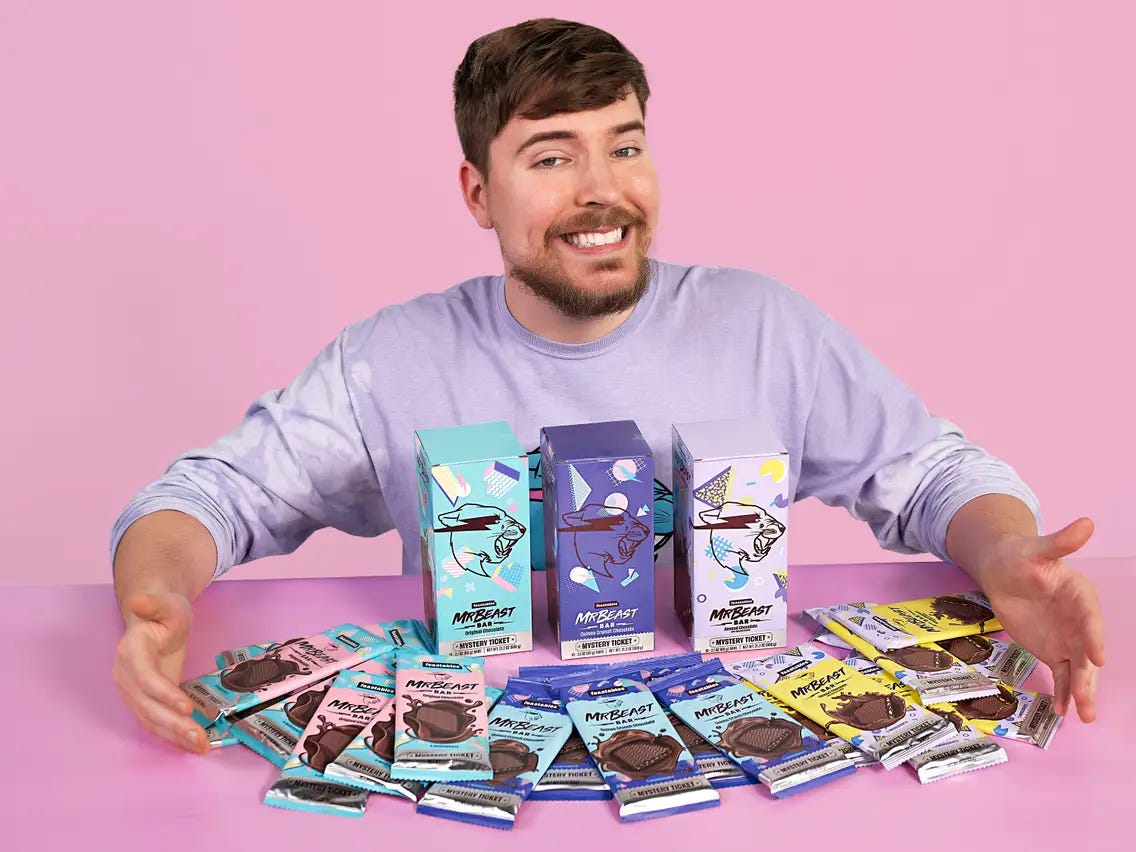
These are all behemoth brands, of course… but the same thing is taking place on the micro level as well.
It’s becoming impossible to launch a successful business without some visibility into the folks running it.
That’s the very reason why our entire record label team at MAD Records is here on Substack, including our Head of Music Services, our Operations Manager, our producer, and even our signed artist.
The long-term success of the MAD Records brand relies on trust in the team running it, which means we need to be open and transparent about who we are and what we stand for.
The Takeaways:
Now you’re probably saying:
“Hey Michael, another brilliant article as always, but what on earth am I supposed to do with any of this information?”
So here are some practical takeaways that you can apply to your business, company, or music career:
You can’t control your brand, but you can control your values.
Remember - people don’t want controlled experiences. Attempting to curate the experience for your audience actually creates distrust. Your “brand” is, in many ways, out of your control.
If you want folks to get a certain impression from you or your business, then you need to get clear on your values and stick to them relentlessly. If you do that, people will notice.
Your “brand” emerges over time, so don’t overthink it
Don’t think of your brand as a bullseye that you hit…. instead think of it as a scatter plot.
Each time you interact with your audience, you simply create one data point. Only over time (and after many data points) does the brand (the blue line) start to emerge.
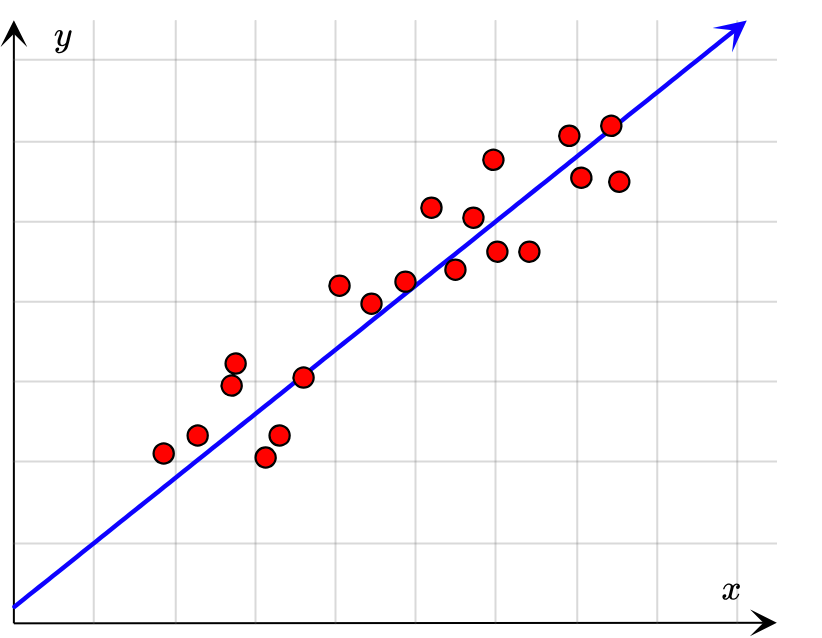
So don’t worry about making sure that everything you do is a perfect representation of your brand. Again, just continue to be yourself, put data points out there, and allow the brand to emerge over time.
Don’t lie
The whole reason “traditional branding” collapsed is a lack of trust. So if you want to create real, legitimate trust with your audience, you need to tell the truth.
For example, I run a record label, but the truth is I know very little about the traditional music industry.
Instead of pretending like I do (which you would sniff out instantly), I instead focus on alternative approaches to building music careers that leverage my background in finance and education.
So if you want to build trust with your audience, you can’t hide parts of you that don’t fit the narrative. Again, people don’t want controlled experiences.
Instead, embrace your flaws and failures and incorporate them into your story.
Well, that’s a wrap on another fun and flirty Substack piece from yours truly.
If you read this entire thing, and you haven’t subscribed, then that just seems silly:
See you next time,
Michael from MAD Records
Some of your best and wildest work my friend.
So fun, so flirty. I love it.